
Who this structure is for: Fashion creators, editors and social media managers planning a visual roundup.
Use an umbrella topic and distinct angles
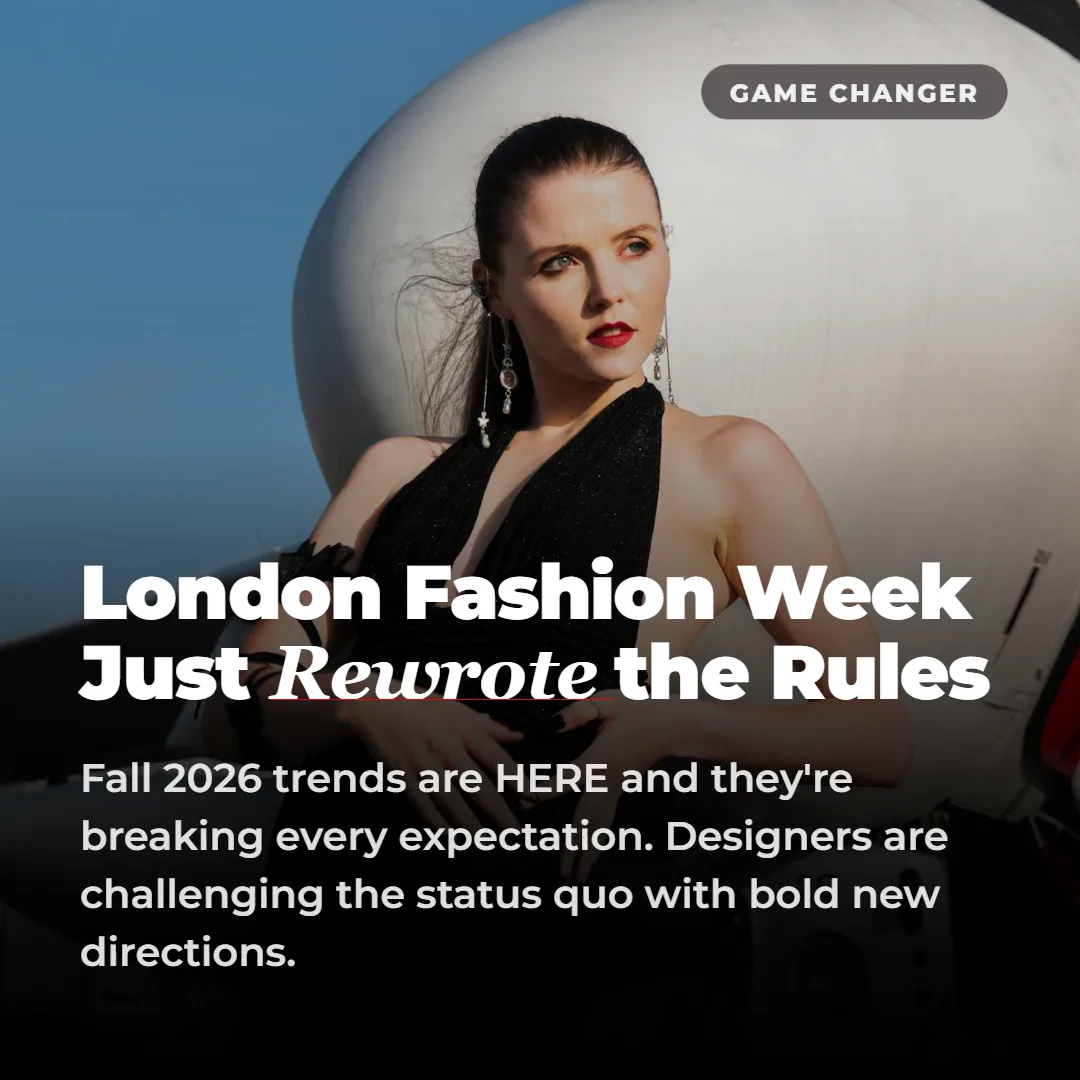
The cover supplies an overall fashion theme. The next pages divide it into casual clothing, circularity, colors, proportions, textures, upcycling and inclusive design. This is a useful roundup pattern: the cover answers what the post is about, and each following page gives the reader something new to consider. For your own post, replace broad trend assertions with observations grounded in your event notes, collection details or linked sources.
Choose photos that support the point
Each image fills the slide while a dark gradient supports the text near the bottom. The small top label provides a quick topic cue before the larger headline. The repeated pattern makes a varied image set feel like one sequence. Use photos that actually illustrate the point; a generic image can establish mood but should not imply it documents a named designer or event. Check the crop after changing an image so faces, garments and important details remain visible.
Make the final action match the roundup
The original final slide switches from editorial content to a product invitation. If you adapt the pattern for a store or creator, choose one destination: a full collection, a longer review or a relevant discussion. Avoid placing every possible action on the final page. Check the complete exported sequence and your caption together so readers understand the link between the story and the next step.
What to review in your version
- Replace season and event references with the context you have verified.
- Swap generic imagery for licensed images that accurately support your observations.
- Check headings and photo crops on a phone, especially when translating the copy.
- Use one destination in the final slide and confirm the published link works.
Create your next sequence
Open an editable starter example, replace its topic with your brief and generate a preview. Review the result before exporting.
Start with an editable exampleRead the creation and export guide →